 People Before Profit Limerick
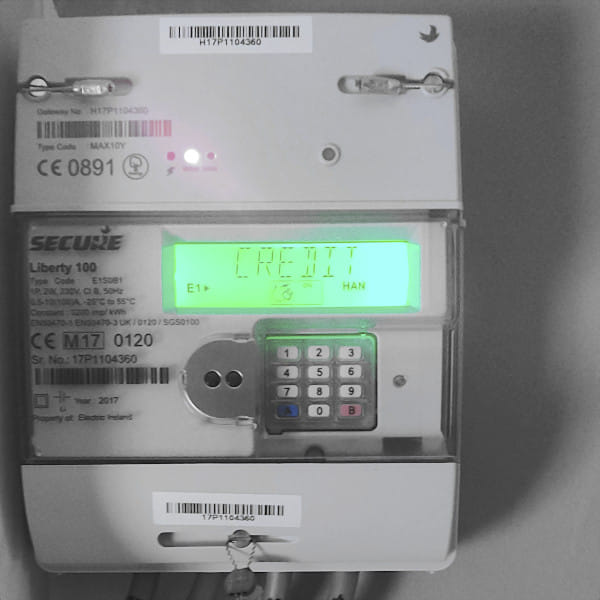
Pay-as-you-go energy users not protected from disconnection this winter
Measures have been brought in to limit disconnections from heat and electricity during the coldest months of the year but these protections are not available to those using pay-as-you-go meters
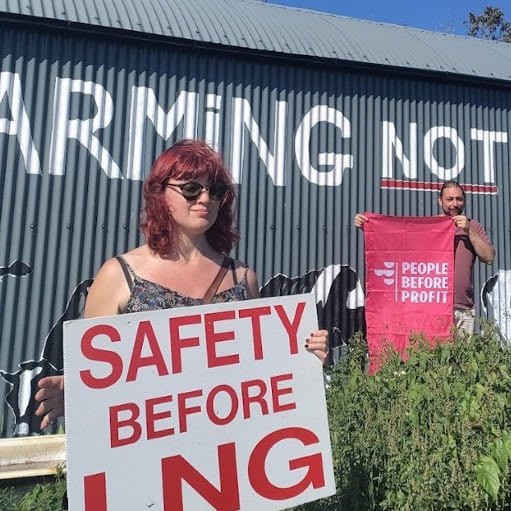
LNG terminal won't bring energy security, just higher prices.
People Before Profit joined activists from across the coutry at the Climate Camp, organized by Slí Eile, in Tarbert to lay out a strategy for the opposition to LNG imports which would encourage increased use of fossil fuels while delivering higher energy prices, damaging the planet and destroying the lives of workers and people living near the extraction sites.
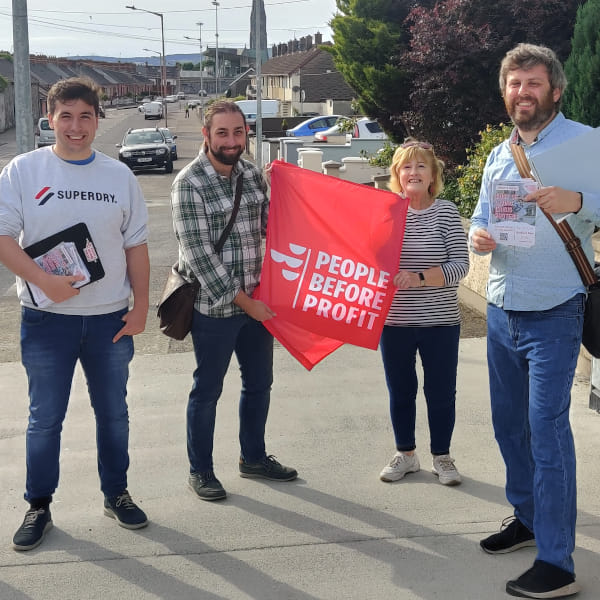
Limerick protest on Cost of Living crisis this Saturday
As inflation hits its highest rate in decades PBP calls for massive turnout on the cost of living protest. Comprehensive measures to control like price controls, wage increases and rent reductions are are needed urgently to protect people from rising costs.

Freeze prices - not the people
Corporate profiteering is putting people in poverty as energy companies jack up prices. People Before Profit are making the call to "Freeze Prices Not The People" to tackle cost of living crisis.
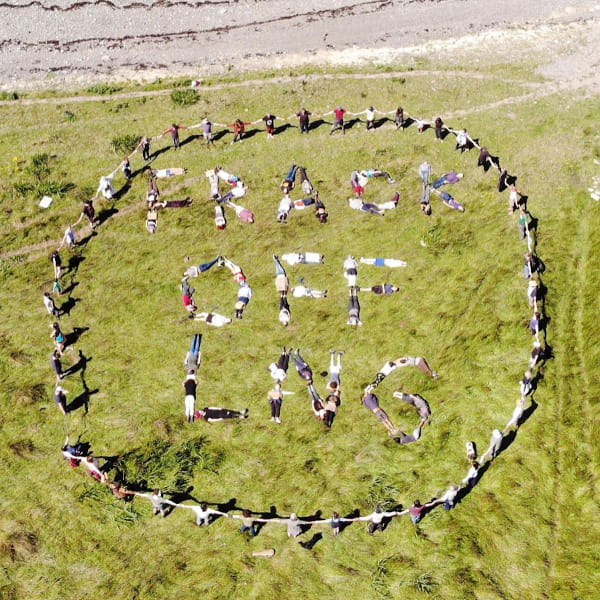
Decision on Shannon LNG deferred until September
The investors in Shannon LNG see it as a prospect that will pay out for 30 years or more. Instead of just delaying the project it should just be denied instead of locking us into using fossil fuels for decades.
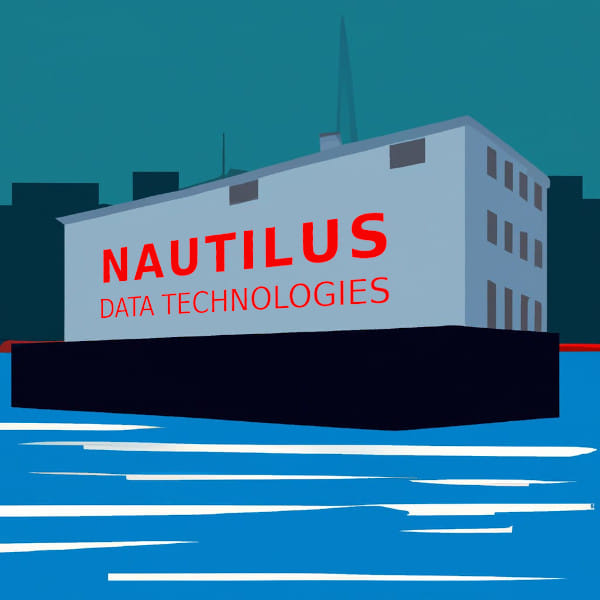
Floating Data Centre a threat to Limerick’s electricity capacity
Nautilus floating data centre would use as much as one tenth of all electricity used in Limerick City. Ireland already has the highest capacity of data centres relative to our electricity grid worldwide, adding any more risks blackouts.
Opposition to the ‘Greening of Gas and Nuclear‘
People Before Profit opposed any attempt to label gas or nuclear as green energy. Lobbyists have been making efforts to have these technologies labelled as green to avoid a transition to renewables.

An unlivable minimum wage is just state-sanctioned poverty.
PBP propose minimum wage of €15 an hour to provide a ‘lasting dividend to frontline workers’. The rumoured increase of the Minimum wage to €10.50 in tomorrow’s budget has been criticised as “totally inadequate” and amount to “a continuation of state-sanctioned poverty”by Limerick People Before Profit spokesperson Ruairí Fahy as Ireland has the second highest levels of low wage workers in the OECD with 23% of workers earning less than 2 thirds of the median wage, less than €12 an hour.